

7-Day Machame Route: The Ultimate Kilimanjaro Climbing Experience
Experience the "Whiskey Route"
Route: Machame (“The Whiskey Route”) | Duration: 7 Days / 6 Nights | Difficulty: Challenging | Success Rate: 95%
The 7-Day Machame Route is our most recommended itinerary for Mount Kilimanjaro. By adding an extra day at Karanga Camp, we optimize the “climb high, sleep low” rhythm, significantly increasing your chances of standing on Uhuru Peak (5,895 m). Join Sunup Adventures for a journey through five distinct climate zones, from tropical rainforests to glacial deserts.

ITINERARY OVERVIEW
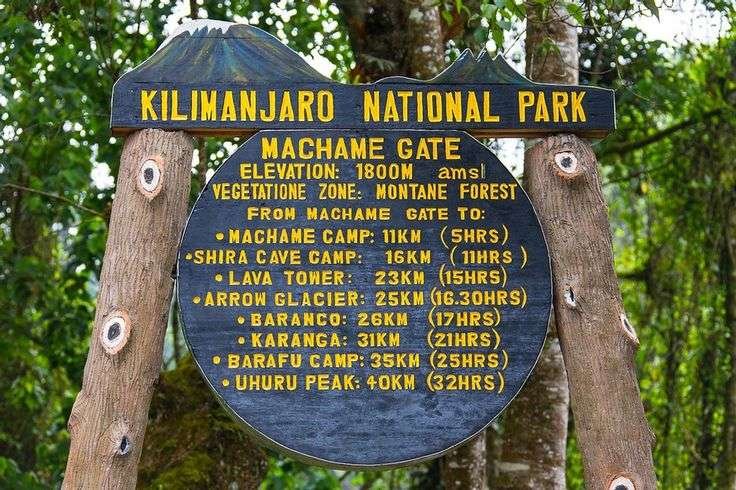
Day 1: Moshi to Machame Gate to Machame Camp
Elevation: 1,800m to 3,000m (9,840ft)
Distance: 11km | Hiking Time: 5-7 hours
Habitat: Montane Forest
After a hearty breakfast and a final gear check at your hotel in Moshi, we take a scenic 1-hour drive to the Machame Gate. Once registration is complete, your journey begins under the canopy of a lush rainforest. Keep your eyes peeled for black-and-white Colobus monkeys and exotic birdlife. The trail ascends steadily to Machame Camp, where your mountain crew will have your tents pitched and hot tea waiting.
Day 2: Machame Camp to Shira 2 Camp
Elevation: 3,000m to 3,840m (12,600ft)
Distance: 5km | Hiking Time: 4-6 hours
Habitat: Heath and Moorland
We leave the forest behind as the path becomes steeper, crossing a valley and a steep rocky ridge. The landscape shifts into the moorland zone, characterized by giant lobelias and groundsels. As we cross the Shira Plateau, you’ll be rewarded with breathtaking views of Kibo Peak and the Western Breach.
Day 3: Shira 2 Camp to Lava Tower to Barranco Camp
Elevation: 3,840m to 4,630m to 3,950m (12,960ft)
Distance: 10km | Hiking Time: 6-8 hours
Habitat: Alpine Desert
Today is a critical acclimatization day. We trek East toward the Lava Tower (4,630m), a massive volcanic plug. Having lunch at this altitude “spikes” your blood oxygen levels before we descend into the Great Barranco Valley. This “Climb High, Sleep Low” strategy is the secret to a successful summit. You’ll end the day at Barranco Camp, arguably the most beautiful campsite on the mountain.
Day 4: Barranco Camp to Karanga Camp
Elevation: 3,950m to 4,035m (13,200ft)
Distance: 5km | Hiking Time: 4-5 hours
Habitat: Alpine Desert
The morning begins with the famous Barranco Wall. While it looks daunting, it is a fun “scramble” that requires no technical skill. Once at the top, you’ll enjoy a bird’s-eye view of the clouds. We traverse a series of ridges and valleys to Karanga Camp. This shorter day allows your body to recover and prepare for the final push.
Day 5: Karanga Camp to Barafu Camp (Base Camp)
Elevation: 4,035m to 4,640m (15,220ft)
Distance: 4km | Hiking Time: 4-5 hours
Habitat: Alpine Desert
We ascend toward Barafu Camp, the “Base Camp” for your summit attempt. The terrain is desolate and rocky, with the wind picking up as we approach the camp. We arrive early in the afternoon to allow for an early dinner and a briefing. You will go to sleep by 7:00 PM, as the “summit call” comes at midnight.
Day 6: THE SUMMIT | Barafu to Uhuru Peak to Mweka Camp
Elevation: 4,640m to 5,895m (19,341ft) down to 3,080m
Distance: 15km | Hiking Time: 12-15 hours
Habitat: Arctic / Stone Scree
Around midnight, we begin the final ascent through heavy scree toward Stella Point (5,685m). This is the most mentally and physically challenging portion of the trek. After witnessing a spectacular sunrise over the Mawenzi Peak, we continue for another hour to Uhuru Peak—the highest point in Africa. After celebrating at the roof of Africa, we begin the long descent to Mweka Camp for a deep, well-earned sleep.
Day 7: Mweka Camp to Mweka Gate to Moshi
Elevation: 3,080m to 1,640m (5,380ft)
Distance: 10km | Hiking Time: 3-4 hours
Habitat: Rainforest
The final leg of your journey is a gentle descent through the rainforest to Mweka Gate. After signing out, you will receive your Summit Certificates (Gold for Uhuru, Green for Stella Point). We then drive back to Moshi for a celebratory dinner, hot showers, and a comfortable bed.
Why Trek the Machame Route with Sunup Adventures?
7-Day Advantage: Most operators offer a 6-day trek. Our 7-day schedule includes the Karanga Camp stay, which increases safety and summit success by 20%.
Safety First: Our guides carry pulse oximeters and emergency oxygen on every climb.
Quality Gear: We use high-altitude mountain tents and thick foam mattresses to ensure you rest well.
Local Expertise: Our guides have a combined 500+ summits, ensuring you are in the best hands.
Plan Your 2026 Adventure: Kilimanjaro is best climbed during the dry seasons (Jan–March and June–October).
Kilimanjaro Climbing FAQs
What should I pack? (Full Gear List)
Packing for the Machame Route requires preparing for five different climate zones. Sunup Adventures recommends the “Three-Layer System” for maximum comfort.
Clothing & Layers (Avoid Cotton):
Base Layers: 3-4 moisture-wicking shirts (merino wool is best) and 2 pairs of thermal leggings.
Mid Layers: 1-2 fleece jackets (Polartec 200 recommended) and 1 down/synthetic insulated jacket for summit night (600+ fill power).
Outer Shell: Waterproof and windproof jacket (Gore-Tex or similar) and rain pants.
Head & Hands: 1 warm beanie, 1 sun hat, 1 neck gaiter (buff), and a “two-glove system” (lightweight liners + heavy waterproof mittens).
Footwear:
Hiking Boots: Mid-to-high ankle support, waterproof, and fully broken-in before you arrive.
Socks: 4-5 pairs of wool trekking socks and 1 extra-thick pair for summit night.
Camp Shoes: Sneakers or sandals to let your feet breathe at camp.
Technical & Personal Gear:
Sleeping Bag: Rated for 0 degrees Fahrenheit (-18 degrees Celsius) or lower.
Hydration: 3-liter capacity (combination of a bladder and a Nalgene bottle). Pro tip: Bring an insulated sleeve for your bladder tube to prevent freezing.
Lighting: Headlamp with extra batteries (essential for summit night).
Daypack: 30-35 liters with a rain cover to carry your water, snacks, and rain gear.
How does tipping work? (Tipping Guide)
Tipping is a standard and vital part of the mountain economy in Tanzania. While it is technically “voluntary,” it is culturally expected to recognize the grueling work of your crew. At Sunup, we follow KPAP (Kilimanjaro Porters Assistance Project) ethical guidelines.
Recommended Daily Tip Rates (Per Group):
Lead Guide: $20 – $25 per day
Assistant Guide: $15 – $20 per day
Chef: $15 – $20 per day
Porters: $8 – $10 per porter, per day
Average Crew Size:
For a standard climb (2-3 people), you can expect a crew of about 10-12 members. Total tips typically range from $250 to $350 per climber for the 7-day trek.
Tipping Etiquette:
The Ceremony: Tips are usually presented on the final morning at Mweka Gate in a “Tipping Ceremony.”
Currency: US Dollars (dated 2013 or newer, crisp and untorn) or Tanzanian Shillings are preferred.
Transparency: We encourage you to announce the tip amount to the entire crew or use individual envelopes to ensure every porter receives their fair share.
Is the Machame Route difficult?
The Machame Route is classified as “Challenging.” It features steeper inclines than the Marangu or Rongai routes. However, the 7-day itinerary has a much higher success rate because it allows you to “Climb High, Sleep Low” at the Lava Tower and Karanga Camp.
How do I stay hydrated?
You should aim to drink 4-5 liters of water daily. Our crew provides purified water at every camp. We recommend adding electrolyte tablets to your water to help your body absorb minerals lost at high altitudes.